
Dubai’s real estate market continues to evolve in 2026, with investment zones offering unique opportunities for both local and international property investors. Understanding these specialized zones is crucial for making informed investment decisions in one of the world’s most dynamic property markets. Each zone comes with distinct regulations, ownership structures, and investment incentives that can significantly impact your property portfolio’s performance.
At Silver Keys Real Estate, we guide investors through the complexities of Dubai’s investment zones, helping them identify opportunities that align with their financial goals and risk tolerance. Whether you’re seeking rental income, capital appreciation, or strategic portfolio diversification, understanding these zones is essential for successful property investment in Dubai.
Understanding Dubai’s Free Zones and Investment Areas
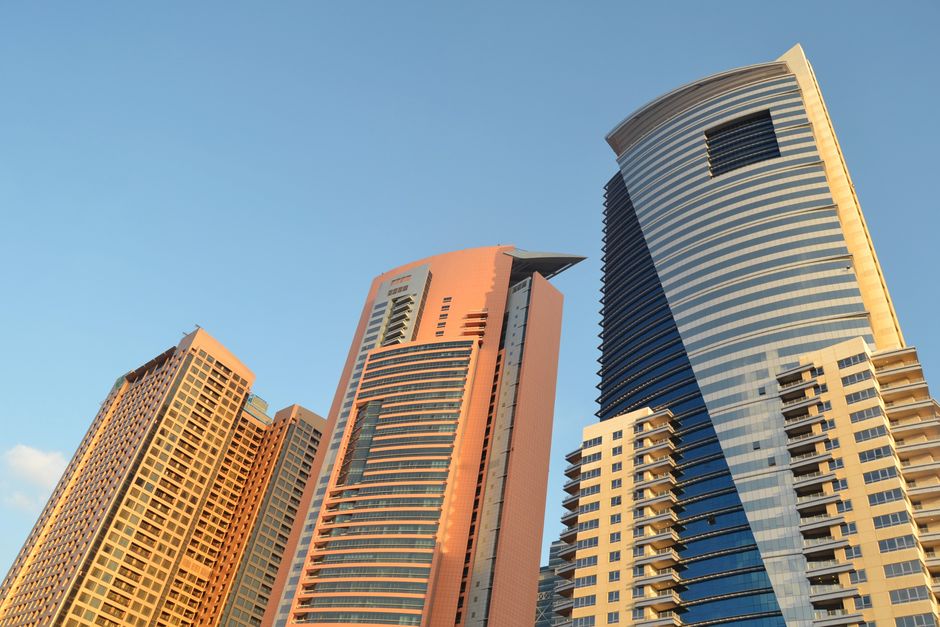
Dubai’s free zones represent designated areas where international investors can enjoy 100% foreign ownership, tax exemptions, and streamlined business processes. These zones have become magnets for real estate investment due to their business-friendly regulations and strategic locations. Major free zones include Dubai International Financial Centre (DIFC), Dubai Multi Commodities Centre (DMCC), and Jebel Ali Free Zone Authority (JAFZA).
Property investment within free zones offers unique advantages including:
- Full foreign ownership without requiring a local partner
- No personal income tax on rental income or capital gains
- Simplified ownership transfer processes for international buyers
- High rental yields due to strong demand from multinational companies
- Modern infrastructure and world-class amenities
These zones typically feature premium office towers, luxury residential developments, and mixed-use projects that cater to high-net-worth individuals and corporate tenants. The concentration of international businesses creates consistent demand for quality accommodation and office space, making these areas attractive for long-term investment strategies.
Prime Residential Investment Zones
Dubai’s residential investment zones encompass both established neighborhoods and emerging districts that offer varying risk-reward profiles. Downtown Dubai remains a premier investment destination, anchored by iconic developments like Burj Khalifa and Dubai Mall. The area commands premium rental rates and maintains strong capital appreciation potential due to its central location and tourist appeal.

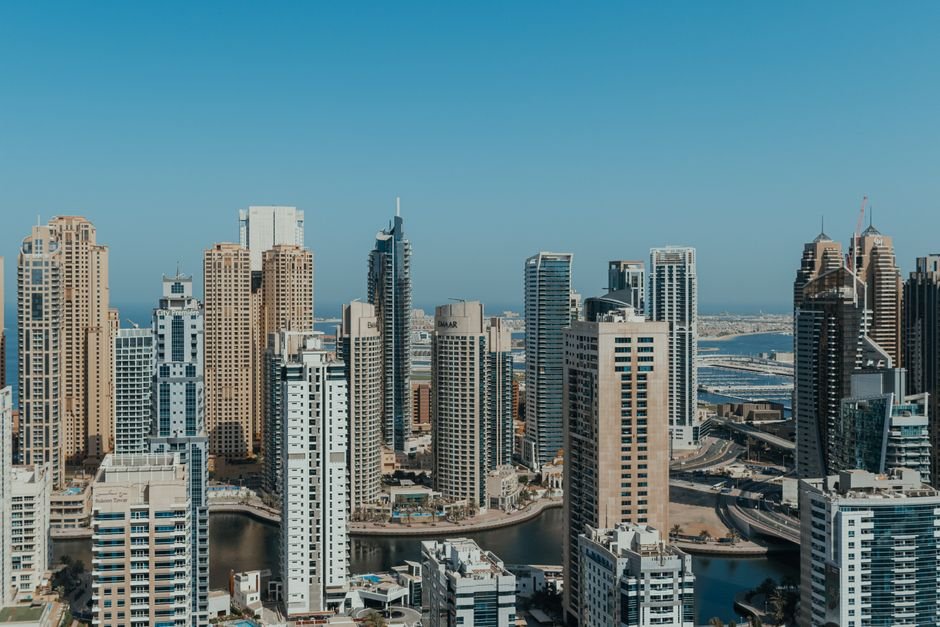
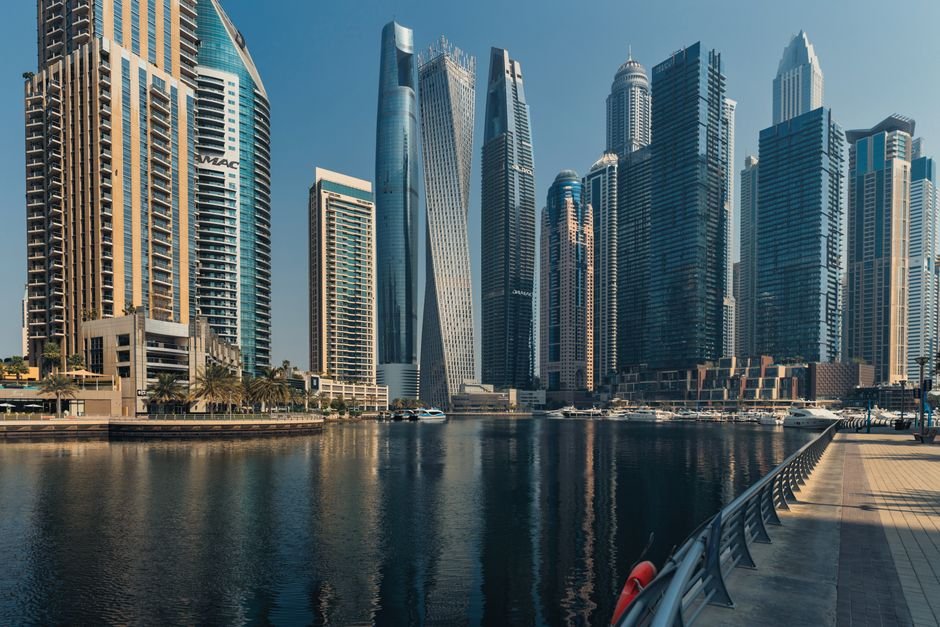
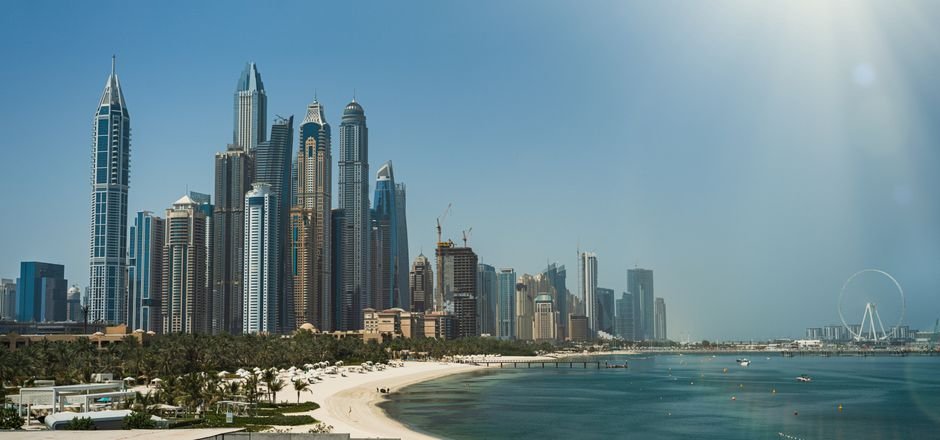
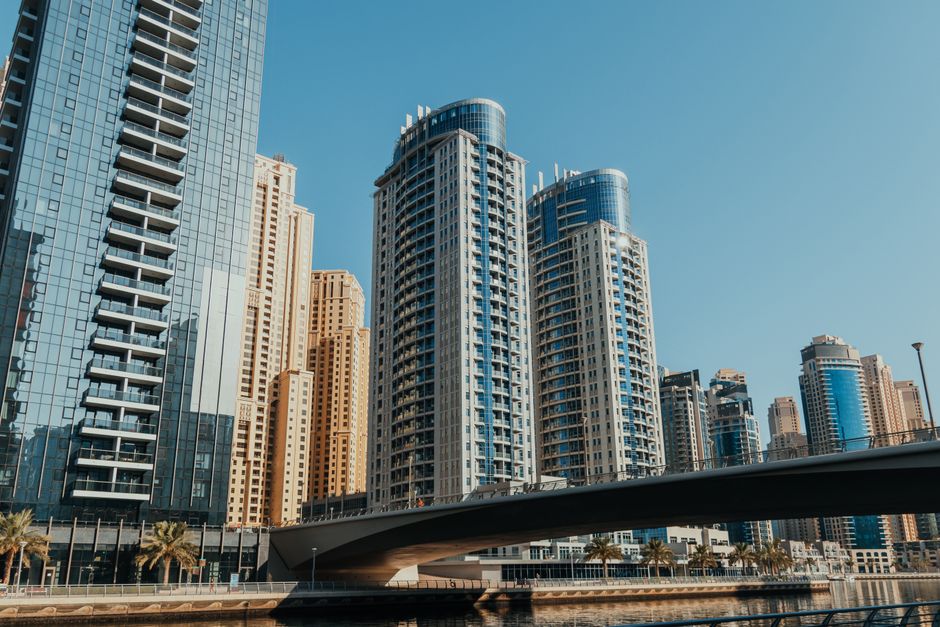
Dubai Marina and Jumeirah Beach Residence (JBR) represent mature waterfront investment zones with established rental markets. These areas attract long-term expatriate residents and short-term vacation rental opportunities, providing investors with flexible income strategies. The proximity to beaches, dining, and entertainment venues ensures consistent tenant demand throughout the year.
Emerging zones like Dubai South and Mohammed bin Rashid City offer growth potential at more accessible price points. These areas benefit from major infrastructure investments, including Al Maktoum International Airport expansion and Expo 2020 legacy developments. Early investors in these zones often capture significant appreciation as infrastructure projects complete and community amenities mature.
Business Bay continues to evolve as a mixed-use investment zone, combining residential towers with commercial developments along Dubai Creek. The area offers diverse property types from studio apartments to luxury penthouses, catering to various investor budgets and tenant preferences.
Key Factors for Residential Zone Selection
When evaluating residential investment zones, consider infrastructure development timelines, community amenities, and transportation connectivity. Properties near metro stations, major highways, and business districts typically maintain higher occupancy rates and rental growth potential. Additionally, zones with established schools, healthcare facilities, and retail centers attract family tenants who prefer longer lease agreements.
Commercial and Office Investment Zones
Dubai’s commercial real estate zones cater to the city’s position as a regional business hub connecting Asia, Europe, and Africa. DIFC stands out as the premier financial district, housing regional headquarters for major banks, asset management firms, and fintech companies. Office properties in DIFC command premium rents due to the concentration of financial services and the zone’s regulatory advantages.
Business Bay’s commercial corridor offers modern office towers with competitive rental rates compared to DIFC, attracting mid-sized companies and regional offices. The zone’s growth trajectory remains strong as more businesses establish operations to serve the broader Middle East market.
Dubai Internet City and Dubai Media City focus on technology and media companies respectively, creating specialized demand for office space with specific technical requirements. These zones benefit from clustering effects, where companies prefer locations near industry peers and talent pools.
Warehouse and logistics investment opportunities concentrate in areas like Dubai South, Jebel Ali, and Dubai Industrial City. These zones serve the growing e-commerce sector and Dubai’s position as a regional distribution hub. The expansion of Al Maktoum International Airport and improved logistics infrastructure supports long-term demand growth in these areas.
Off-Plan Investment Opportunities in Development Zones
Off-plan property investments in Dubai’s development zones offer attractive payment plans and potential capital appreciation during construction phases. Dubai Creek Harbour represents one of the largest mixed-use developments, featuring residential towers, office buildings, and retail spaces around the iconic Creek Tower project. Early investors benefit from developer payment plans and proximity to Dubai Creek’s waterfront amenities.
Al Furjan and Dubailand continue expanding with new residential communities targeting middle-income families and young professionals. These zones offer villa communities, townhouses, and apartment complexes at more affordable price points compared to premium areas like Downtown Dubai or Dubai Marina.
Developers in these zones often provide attractive incentives including:
- Extended payment plans spreading costs over construction periods
- Guaranteed rental returns for initial years post-completion
- Flexible ownership structures accommodating international investors
- Property management services for hands-off investment approaches
However, off-plan investments require careful due diligence regarding developer track records, construction timelines, and market absorption rates. Silver Keys Real Estate provides comprehensive analysis of off-plan projects, helping investors understand completion risks and market positioning.
Investment Zone Regulations and Legal Considerations
Each investment zone operates under specific legal frameworks that impact ownership rights, transfer procedures, and rental regulations. Freehold zones allow complete foreign ownership with inheritance rights, while leasehold areas grant long-term usage rights typically spanning 99 years. Understanding these distinctions is crucial for estate planning and exit strategy development.
Property registration procedures vary between zones, with some requiring additional documentation or approvals for international buyers. Free zones often streamline these processes, while certain areas may require local bank accounts or Emirates ID cards for completion. Recent regulatory changes have generally favored foreign investment, but staying current with zone-specific requirements remains important.
Rental regulations also differ between zones, particularly regarding rent increase limitations, security deposit requirements, and tenant protection measures. The Real Estate Regulatory Agency (RERA) provides oversight, but individual zones may have additional guidelines affecting investment returns and tenant relationships.
Tax implications for property investment remain favorable across Dubai’s zones, with no personal income tax on rental income or capital gains. However, value-added tax (VAT) applies to certain transactions, and investors should understand these costs when calculating investment returns.
Maximizing Returns Through Strategic Zone Selection
Successful property investment in Dubai requires aligning zone characteristics with investment objectives and risk tolerance. Growth-oriented investors might focus on emerging zones with infrastructure development potential, accepting higher volatility for greater appreciation prospects. Income-focused strategies often favor established zones with mature rental markets and stable tenant demand.
Portfolio diversification across multiple zones can balance risk while capturing different market segments. Combining premium area properties with emerging zone investments, or mixing residential and commercial assets, provides exposure to various economic drivers affecting Dubai’s property market.
Professional property management becomes particularly important when investing across multiple zones, as each area may require different marketing strategies, tenant profiles, and maintenance approaches. Silver Keys Real Estate offers comprehensive property management services, ensuring optimal performance regardless of zone-specific requirements.
Market timing considerations vary between zones, with some areas showing seasonal demand patterns while others maintain consistent activity throughout the year. Understanding these cycles helps optimize rental income and property acquisition timing for maximum returns.
Conclusion
Dubai’s real estate investment zones offer diverse opportunities for property investors seeking exposure to one of the world’s most dynamic markets. From premium free zones with full foreign ownership to emerging development areas with growth potential, understanding each zone’s characteristics, regulations, and market dynamics is essential for investment success.
Whether you’re interested in residential properties for rental income, commercial assets for business operations, or off-plan developments for capital appreciation, Dubai’s investment zones provide frameworks supporting various strategies. The key lies in matching zone characteristics with your investment objectives, risk tolerance, and time horizon.
At Silver Keys Real Estate, we provide expert guidance throughout the investment process, from initial zone selection through property acquisition and ongoing management. Our comprehensive understanding of Dubai’s investment landscape helps clients navigate complexities and maximize returns in this evolving market. Contact us to explore how Dubai’s investment zones can enhance your property portfolio in 2026 and beyond.