


Dubai’s property market has evolved dramatically over the past two decades, transforming from a limited market restricted to UAE nationals to one of the world’s most dynamic and accessible real estate environments. Understanding Dubai property law is essential for anyone looking to invest, buy, rent, or sell property in this vibrant emirate. At Silver Keys Real Estate, we’ve witnessed firsthand how proper knowledge of these regulations can make the difference between a successful property transaction and costly legal complications.
The legal framework governing Dubai real estate is comprehensive and constantly evolving to meet the demands of an international market. Whether you’re an individual investor or a corporation seeking property solutions, understanding these laws will protect your interests and ensure compliance with local regulations.
Property Ownership Rights and Restrictions
Dubai property ownership is fundamentally divided into two categories: freehold and leasehold properties. Freehold ownership allows foreign nationals to own property indefinitely in designated areas, while leasehold ownership typically grants usage rights for periods ranging from 10 to 99 years.
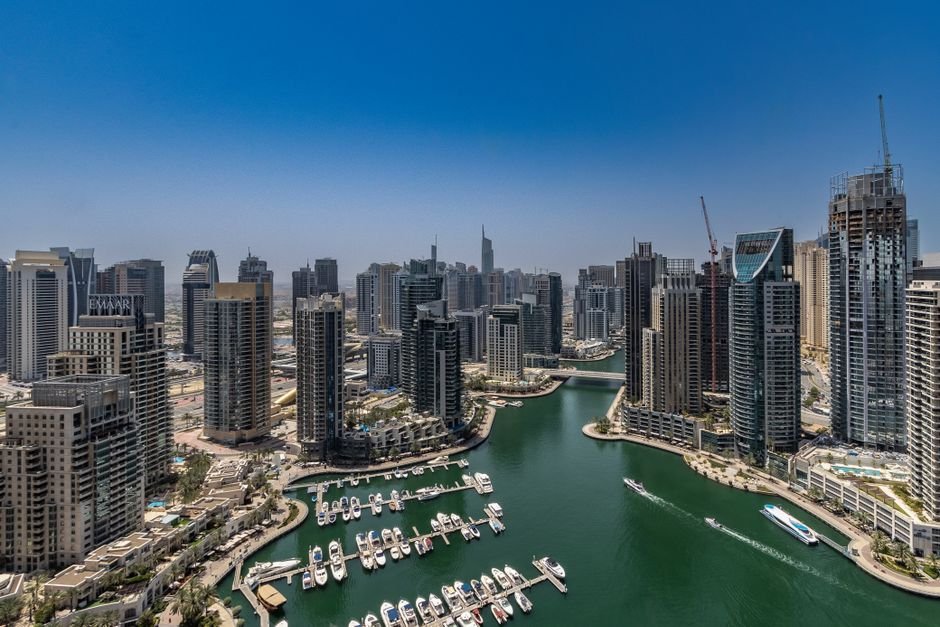
The Dubai Land Department maintains a comprehensive list of designated freehold areas where non-UAE nationals can purchase property. These include popular locations such as:
- Downtown Dubai and Business Bay
- Dubai Marina and Jumeirah Beach Residence
- Palm Jumeirah and The World Islands
- Dubai Hills Estate and Arabian Ranches
- Dubai South and International City
It’s important to note that ownership rights come with specific responsibilities. Property owners must ensure their properties comply with building regulations, pay annual service charges, and adhere to community rules established by homeowners’ associations or property management companies.
For commercial properties, foreign ownership rules vary depending on the location and type of business activity. Free zones offer different ownership structures compared to mainland Dubai properties, and understanding these distinctions is crucial for corporate investors.
The Legal Framework and Regulatory Bodies
Dubai’s property sector operates under a robust legal framework overseen by several key regulatory bodies. The Dubai Land Department (DLD) serves as the primary authority for property registration, transactions, and regulatory compliance. According to the official Dubai Land Department website, all property transactions must be registered through their systems to ensure legal validity and protection for all parties involved.

The Real Estate Regulatory Agency (RERA), a subsidiary of the DLD, specifically focuses on regulating real estate professionals, developers, and property management companies. RERA ensures that all industry participants meet professional standards and maintain proper licensing.
Additional regulatory oversight comes from:
- Dubai Municipality for building permits and compliance
- Dubai Economic Department for commercial licensing
- Individual free zone authorities for properties within their jurisdictions
The legal system in Dubai follows both civil law principles and Islamic law (Sharia) guidelines, particularly in matters relating to inheritance and family property rights. International investors should be aware that while contract law generally follows common law principles, certain aspects may be influenced by local legal traditions.
Purchase and Sale Procedures
The property purchase process in Dubai follows a structured legal procedure designed to protect both buyers and sellers. Understanding each step is crucial for ensuring a smooth transaction and avoiding legal complications.

Pre-purchase due diligence is essential and should include verification of the developer’s credentials, checking the property’s title deed status, and confirming that all necessary approvals are in place. Buyers should also verify that the property is not subject to any encumbrances or legal disputes.
The standard purchase procedure involves:
- Memorandum of Understanding (MOU): Initial agreement outlining basic terms and conditions
- Sales and Purchase Agreement (SPA): Comprehensive legal document detailing all aspects of the transaction
- No Objection Certificate (NOC): Required from the developer for secondary market transactions
- Title deed transfer: Final registration at the Dubai Land Department
Payment structures vary depending on whether the property is ready or off-plan. For completed properties, buyers typically pay a deposit followed by the balance upon completion. Off-plan purchases usually involve staged payments linked to construction milestones, providing additional protection for buyers.
All property transactions in Dubai incur specific fees and taxes, including a 4% transfer fee (2% each for buyer and seller), plus administrative charges. Additional costs may include real estate agent commissions, mortgage registration fees, and property valuation charges.
Rental Laws and Tenant Rights
Dubai’s rental market operates under comprehensive legislation designed to balance the rights of landlords and tenants. The primary regulatory framework is established by Dubai Law No. 26 of 2007, commonly known as the Rental Law, and subsequent amendments that have refined tenant protections and landlord obligations.
Rent increase limitations are strictly regulated by the Real Estate Regulatory Agency. The RERA Rent Index provides guidance on fair rental values, and landlords cannot arbitrarily increase rents above specified limits. Rent increases are generally permitted only upon lease renewal and must be justified by market conditions and property improvements.
Key tenant rights include:
- Protection against arbitrary eviction during the lease term
- Right to renewal under fair market conditions
- Security deposit protection (typically one to two months’ rent)
- Maintenance and repair obligations from landlords
- Privacy rights and advance notice for property inspections
Landlord obligations encompass maintaining the property in habitable condition, providing essential services, and adhering to proper eviction procedures when necessary. Disputes between landlords and tenants are typically resolved through the Rent Disputes Settlement Centre, which provides specialized expertise in rental law matters.
Commercial leases operate under similar principles but often involve more complex negotiations regarding fit-out periods, maintenance responsibilities, and renewal options. Understanding these distinctions is crucial for businesses seeking office or retail space in Dubai.
Off-Plan Property Regulations
Off-plan property purchases in Dubai are governed by specific regulations designed to protect buyers from developer defaults and construction delays. The Dubai Land Department has implemented comprehensive escrow account requirements and developer registration procedures to enhance buyer protection.
Escrow account regulations mandate that developers maintain separate accounts for each project, ensuring that buyer payments are protected and used only for the specific development. The Central Bank of the UAE oversees these requirements, providing additional regulatory oversight.
Key protections for off-plan buyers include:
- Staged payment schedules linked to construction milestones
- Right to terminate contracts if construction is significantly delayed
- Refund guarantees in case of developer default
- Completion guarantees from approved financial institutions
Buyers should carefully review the Sales and Purchase Agreement to understand completion timelines, penalty clauses for delays, and specifications for the finished property. It’s also advisable to verify the developer’s track record and financial stability before committing to an off-plan purchase.
The Dubai Land Department maintains a database of approved developers and projects, providing transparency and helping buyers make informed decisions. Recent regulations have also strengthened requirements for developer licensing and project approvals.
Property Management and Strata Laws
Dubai’s strata laws govern the management of multi-unit developments, including apartment buildings, villa communities, and mixed-use projects. These regulations establish the framework for homeowners’ associations, service charge collections, and common area maintenance.
Service charges are mandatory fees collected from property owners to cover common area maintenance, security, utilities, and facility management. The calculation and collection of these charges are regulated by specific guidelines that ensure transparency and fair distribution of costs among property owners.
Homeowners’ associations play a crucial role in property management, with responsibilities including:
- Budget preparation and financial management
- Maintenance planning and contractor oversight
- Rule enforcement and dispute resolution
- Insurance coverage for common areas
- Capital improvement planning
Property owners have voting rights in homeowners’ associations, typically proportional to their unit size or ownership percentage. Understanding these rights and obligations is essential for anyone purchasing property in a managed development.
Recent amendments to strata laws have strengthened property management standards and enhanced transparency requirements. Property management companies must now maintain proper licensing and adhere to professional standards established by RERA.
Conclusion
Understanding Dubai property law is fundamental to successful real estate investment and property ownership in this dynamic market. From ownership rights and purchase procedures to rental regulations and property management requirements, the legal framework provides comprehensive protection for all stakeholders while maintaining market accessibility for international investors.
The regulatory environment continues to evolve, with regular updates designed to enhance transparency, protect investor interests, and maintain Dubai’s position as a leading global real estate destination. According to the UAE Government portal, ongoing legal reforms aim to further streamline processes and strengthen investor protections.
At Silver Keys Real Estate, we understand that navigating Dubai property law can be complex, particularly for international clients. Our experienced team provides comprehensive guidance throughout the entire property journey, from initial investment decisions to ongoing property management. Whether you’re seeking to buy, sell, rent, or manage properties in Dubai, professional legal guidance ensures compliance with all applicable regulations and protects your investment interests.
As Dubai’s property market continues to mature and expand, staying informed about legal developments and regulatory changes remains essential for all market participants. Professional advice and proper legal compliance not only protect individual investments but also contribute to the overall stability and attractiveness of Dubai’s real estate sector.