

Dubai’s dynamic expatriate community represents over 80% of the emirate’s population, making it one of the world’s most international cities. For newcomers, navigating Dubai’s rental market can seem daunting, but with the right knowledge and preparation, finding your perfect home becomes a straightforward process. This comprehensive guide covers everything you need to know about renting in Dubai as an expatriate in 2026.
Understanding Dubai’s Rental Market Landscape
Dubai’s rental market is characterized by its diversity, offering everything from luxury waterfront apartments to family-friendly villa communities. The market operates on annual lease agreements, with most properties requiring payment in advance through post-dated cheques. Unlike many Western countries, Dubai’s rental market is highly regulated, providing strong tenant protections through the Real Estate Regulatory Agency (RERA).

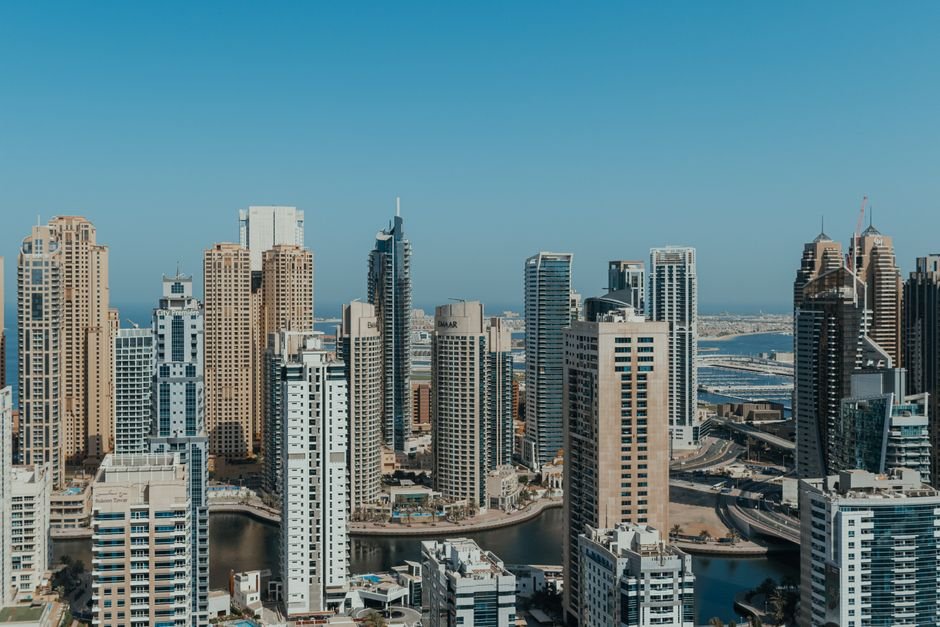
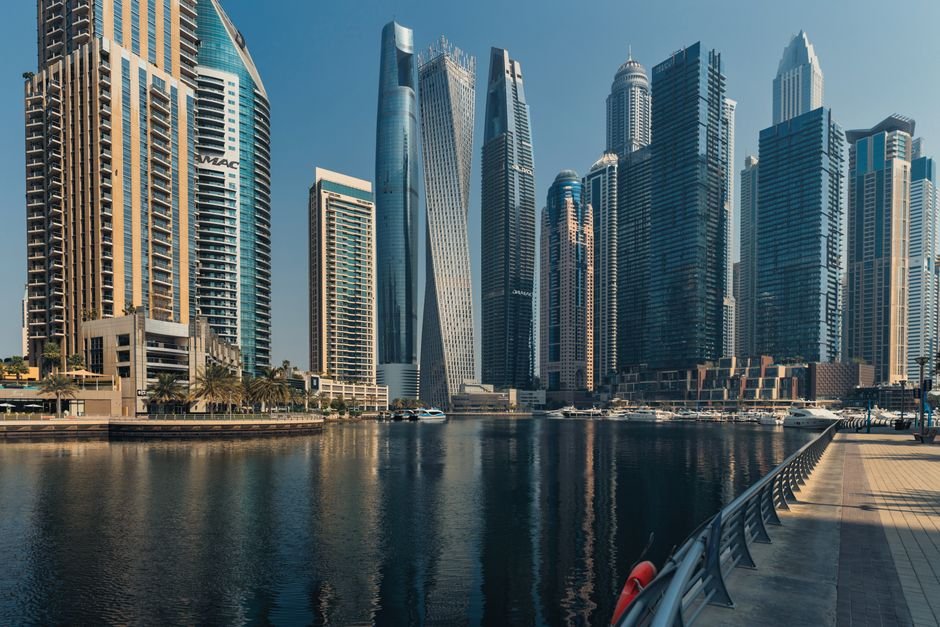
The city’s rental zones are diverse, each offering unique advantages. Dubai Marina and Downtown Dubai cater to young professionals seeking urban lifestyles, while areas like Arabian Ranches and The Springs appeal to families wanting larger spaces and community amenities. Emerging areas such as Dubai Hills Estate and Mohammed Bin Rashid City offer modern developments with competitive pricing.
Rental prices fluctuate based on location, property type, and market conditions. As of 2026, the market has shown resilience with steady growth, making it essential for expatriates to understand current pricing trends and negotiate effectively. The Dubai Land Department provides official rental index information that serves as a valuable reference for fair market pricing.
Key Market Factors Affecting Expatriate Renters
Several factors significantly impact the rental experience for expatriates. School proximity is crucial for families, as Dubai’s international schools are highly sought after and often influence residential choices. Transportation connectivity, particularly proximity to metro stations or major highways, affects both convenience and property values. Additionally, community amenities such as swimming pools, gyms, and maintenance services are standard expectations that can vary significantly between developments.
Essential Legal Requirements and Documentation
Renting in Dubai requires specific documentation that expatriates must prepare in advance. The fundamental requirement is a valid Emirates ID, which serves as your primary identification document. You’ll also need passport copies, visa copies, and salary certificates or employment letters demonstrating your income capacity. Most landlords require a minimum salary threshold, typically ranging from AED 10,000 to AED 15,000 monthly, depending on the property value.

The tenancy contract, known as the Ejari, must be registered with Dubai’s Real Estate Regulatory Agency. This registration legitimizes your lease agreement and provides legal protection for both parties. The process requires the original lease agreement, Emirates ID copies from both tenant and landlord, and applicable fees. Registration typically takes 24-48 hours and is mandatory for accessing various government services.
Understanding your rights and obligations under UAE tenancy law is crucial for a successful rental experience. The law provides clear guidelines on rent increases, early termination procedures, and dispute resolution mechanisms.
Security deposits in Dubai are regulated by law, typically ranging from 5% to 10% of annual rent for residential properties. This deposit is refundable upon lease termination, provided the property is returned in original condition minus normal wear and tear. Additionally, most landlords require post-dated cheques covering the entire lease period, though some now accept bank transfers or online payment systems.
Banking and Financial Considerations
Opening a UAE bank account is essential for rental transactions and daily life. Most banks require a minimum salary certificate and employer letter to open accounts. Popular options for expatriates include Emirates NBD, ADCB, and international banks like HSBC or Standard Chartered. Having a local bank account simplifies rent payments and utility setup while providing access to various financial services.
Property Types and Neighborhood Selection
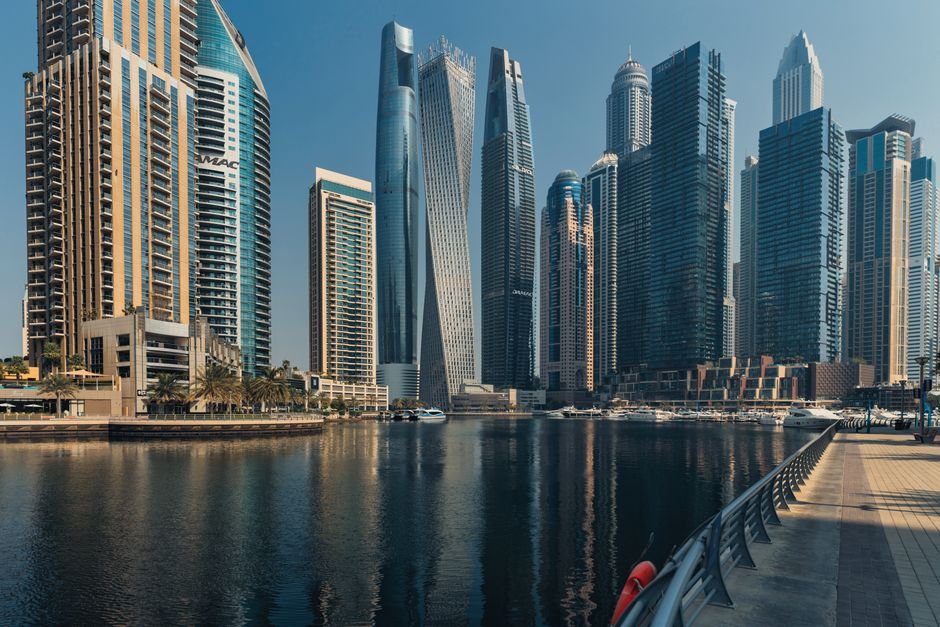
Dubai offers diverse accommodation options catering to different lifestyle preferences and budgets. Studio and one-bedroom apartments are popular among young professionals and couples, particularly in areas like Business Bay and Jumeirah Lake Towers. These properties typically offer modern amenities and urban convenience but may have limited space for families or extensive entertaining.
Family-oriented expatriates often prefer villas or larger apartments in established communities. Areas like The Meadows, The Springs, and newer developments in Dubai Hills Estate provide spacious accommodations with community facilities including parks, schools, and retail centers. These neighborhoods foster strong expatriate communities with organized activities and support networks.
For those seeking luxury accommodations, areas like Palm Jumeirah, Emirates Hills, and Downtown Dubai offer premium properties with world-class amenities. These locations command higher rents but provide unparalleled lifestyle experiences and prestigious addresses. The Dubai Tourism website offers comprehensive neighborhood guides that help expatriates understand different areas’ character and amenities.
Factors to Consider When Choosing Your Neighborhood
- Commute convenience: Consider proximity to your workplace and traffic patterns
- School districts: Research nearby international schools and their admission requirements
- Community amenities: Evaluate available facilities like gyms, pools, and recreational areas
- Shopping and dining: Assess nearby retail options and restaurant variety
- Healthcare facilities: Identify accessible hospitals and clinics
- Cultural considerations: Choose areas that align with your lifestyle preferences
The Rental Process: Step-by-Step Guide
The rental process in Dubai follows a structured approach that begins with property research and viewing. Start by identifying your budget, preferred locations, and must-have amenities. Online platforms like Dubizzle and Bayut offer comprehensive listings, while working with established real estate companies like Silver Keys Real Estate provides expert guidance and access to exclusive properties.
Property viewings should be thorough, checking all appliances, fixtures, and common areas. Take photos or videos to document the property’s condition, which helps prevent disputes during move-out. Ask detailed questions about included utilities, maintenance responsibilities, and community rules. Don’t hesitate to negotiate terms, as landlords are often willing to discuss rent amounts, payment schedules, or included amenities.
Once you’ve selected a property, the formal process begins with submitting your documents and security deposit. The landlord will typically conduct reference checks and verify your employment status. Upon approval, you’ll sign the tenancy agreement and arrange for Ejari registration. The final step involves key handover and utility connections, which should be scheduled promptly to avoid service interruptions.
Negotiation Strategies for Expatriate Tenants
Successful negotiation requires understanding market conditions and having alternatives. Research comparable properties in your chosen area to establish fair market values. Consider offering longer lease terms or upfront payments in exchange for reduced rent or included amenities. Many landlords value stable, long-term tenants and may offer concessions to secure reliable occupancy.
Utilities, Internet, and Essential Services Setup
Setting up essential services is a critical step that requires immediate attention after securing your rental property. The Dubai Electricity and Water Authority (DEWA) manages most utility connections and requires property ownership documentation, Emirates ID, and security deposits. The connection process typically takes 24-48 hours for existing connections or longer for new installations.
Internet and television services are provided by Etisalat and du, both offering comprehensive packages including high-speed internet, television channels, and landline services. Competition between providers has improved service quality and pricing, making it worthwhile to compare offerings. Installation usually occurs within a week of application, though peak seasons may extend timelines.
Gas connections, where applicable, are managed through separate providers and require safety inspections before activation. Many newer developments include centralized gas systems, simplifying the connection process. Additionally, consider setting up home insurance through providers like AXA or Emirates Insurance to protect personal belongings and liability.
The Dubai Electricity and Water Authority website provides comprehensive information about utility setup procedures, tariff structures, and online account management options that streamline ongoing service management.
Technology and Connectivity Solutions
Dubai’s advanced telecommunications infrastructure supports various connectivity options. Many expatriates benefit from bundled services that include internet, television, and mobile services. Consider your usage patterns when selecting packages, as unlimited data options are available for heavy users. Smart home technology integration is increasingly common, with many properties supporting automated systems for lighting, climate control, and security.
Common Challenges and How to Overcome Them
Expatriate renters often encounter specific challenges that can be navigated with proper preparation and local knowledge. Language barriers occasionally arise during negotiations or service setup, though English is widely spoken in Dubai’s real estate sector. When in doubt, request documentation in English or seek translation services to ensure complete understanding of agreements.
Cultural differences in business practices may initially seem confusing. The preference for post-dated cheques, for example, reflects local banking traditions rather than distrust. Understanding these practices and adapting accordingly demonstrates cultural sensitivity and facilitates smoother transactions.
Market volatility can affect rental prices and availability, particularly during peak moving seasons. Expatriates arriving during summer months or around academic year changes may face increased competition and higher prices. Planning ahead and maintaining flexibility in timing can help secure better deals and preferred properties.
Building Professional Relationships
Developing relationships with reliable service providers, including real estate agents, maintenance professionals, and utility representatives, creates a valuable support network. These relationships prove invaluable for resolving issues quickly and accessing market insights for future moves or recommendations to fellow expatriates.
Conclusion
Renting in Dubai as an expatriate requires understanding local procedures, documentation requirements, and market dynamics, but the process becomes manageable with proper preparation. The city’s regulated rental market, diverse property options, and expatriate-friendly infrastructure create an environment where newcomers can quickly establish comfortable homes.
Success in Dubai’s rental market depends on thorough research, proper documentation, and working with experienced professionals who understand expatriate needs. Whether seeking urban excitement or family-friendly communities, Dubai offers rental options that cater to diverse lifestyles and budgets. By following this comprehensive guide and maintaining flexibility throughout the process, expatriates can navigate Dubai’s rental market confidently and secure properties that enhance their Middle Eastern experience.
The key to a successful rental experience lies in preparation, patience, and partnering with knowledgeable real estate professionals who can guide you through each step while ensuring your interests are protected throughout the process.