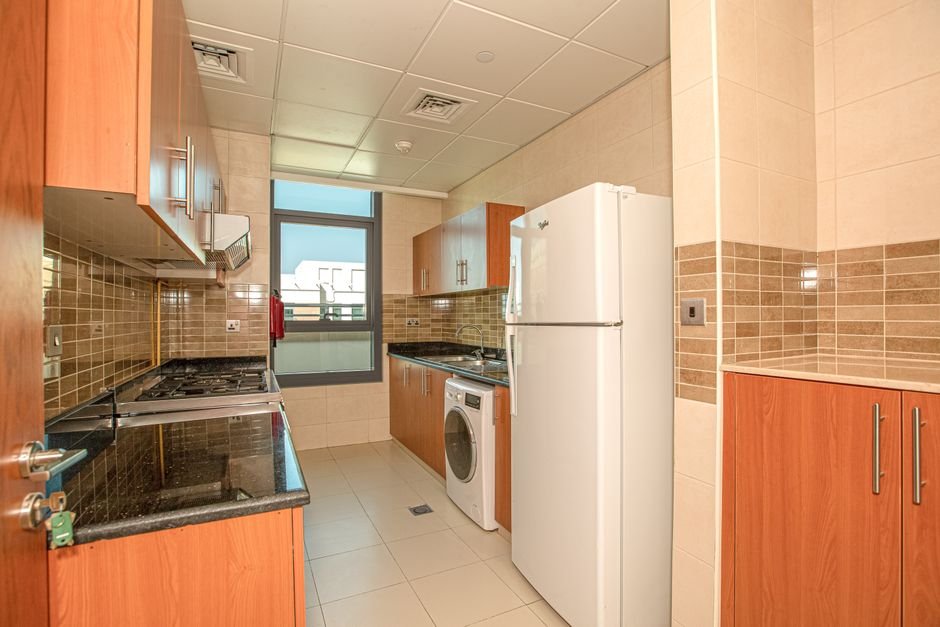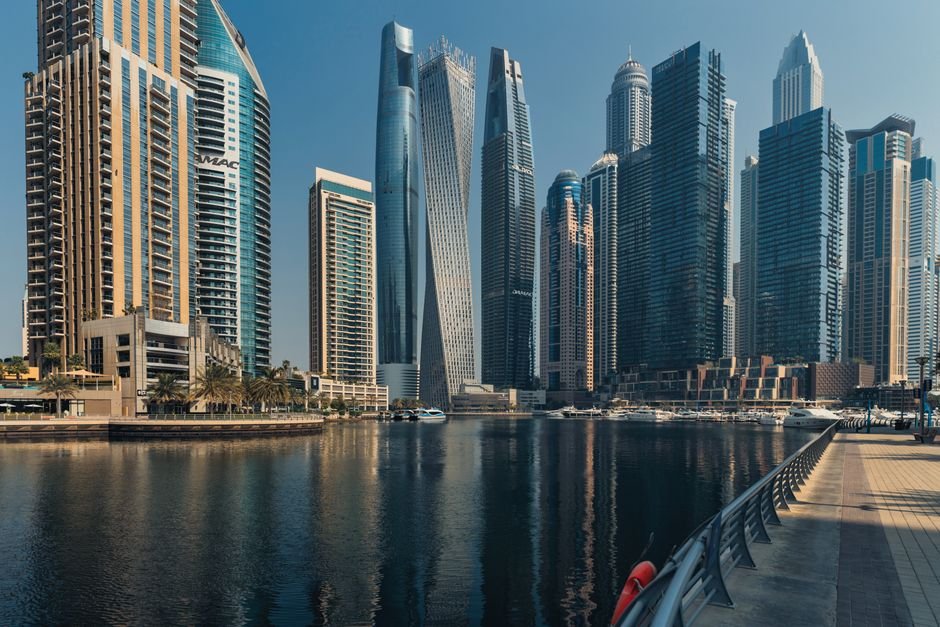
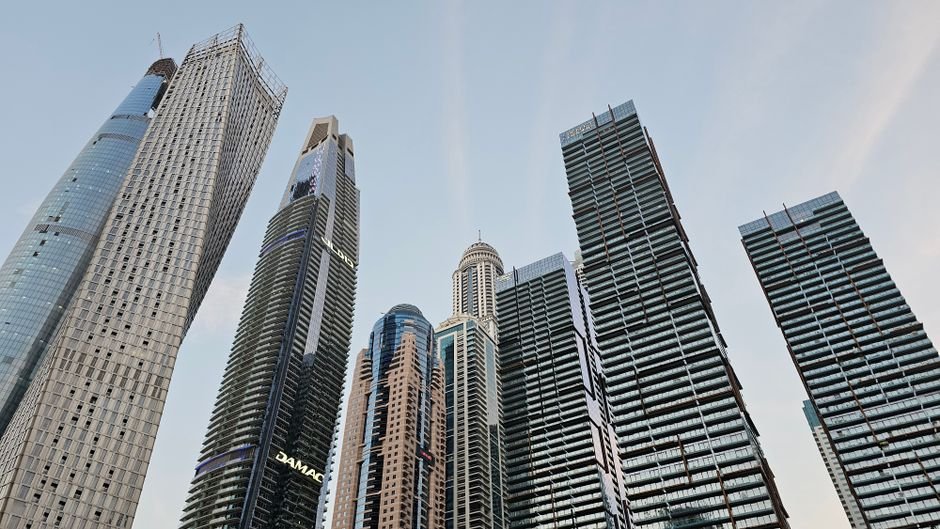

Dubai’s real estate market has emerged as one of the world’s most attractive investment destinations, drawing international investors with its promise of high returns, tax-free income, and strategic location. For foreign investors looking to capitalize on this lucrative market, understanding the investment process, legal requirements, and market dynamics is crucial for success. This comprehensive guide will walk you through everything you need to know about investing in Dubai real estate from abroad in 2026.
Understanding Dubai’s Foreign Investment Laws
Dubai has positioned itself as one of the most investor-friendly destinations globally, with progressive laws that welcome foreign investment in real estate. Non-UAE nationals can own freehold properties in designated areas throughout the emirate, providing full ownership rights including the ability to sell, lease, or transfer properties.
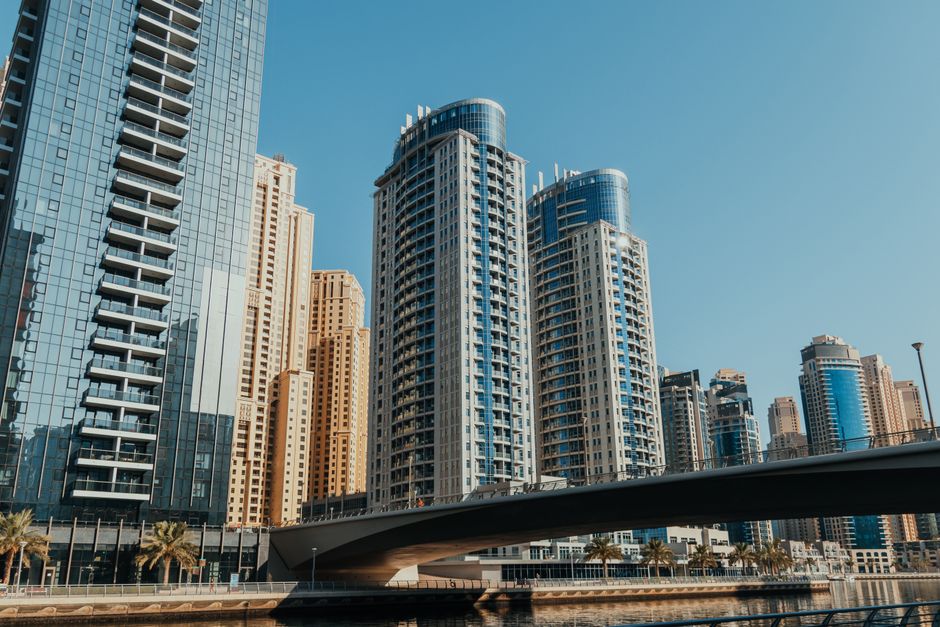
The key freehold areas include popular destinations such as Downtown Dubai, Dubai Marina, Jumeirah Beach Residence, Business Bay, and Dubai Hills Estate. These areas offer complete ownership rights to foreign investors, making them particularly attractive for international property seekers. Additionally, investors purchasing properties worth AED 2 million or more can qualify for a renewable residence visa, adding significant value to the investment proposition.
Legal Requirements for Foreign Investors:
- Valid passport with minimum six months validity
- UAE residence visa (if applicable) or entry stamp
- Emirates ID (for residents)
- No objection certificate from employer (for employed residents)
- Bank statements and financial documentation
- Property purchase agreement and related documents
Working with established real estate companies like Silver Keys Real Estate ensures that all legal requirements are properly handled, from initial property search to final registration with the Dubai Land Department.
Types of Investment Properties Available
Dubai’s diverse real estate market offers numerous investment opportunities across different property types and price points. Understanding these options is essential for making informed investment decisions that align with your financial goals and risk tolerance.
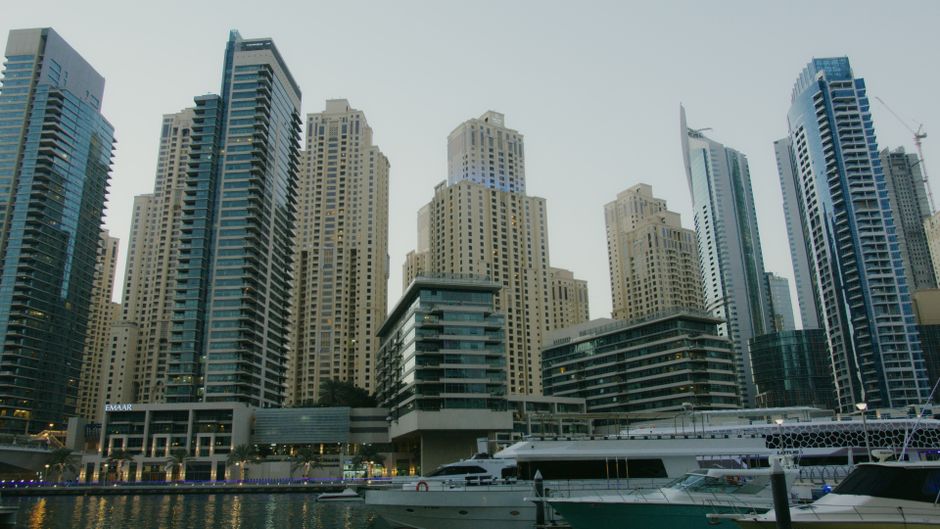
Residential Properties remain the most popular choice among foreign investors. These include luxury apartments in high-rise towers, spacious villas in gated communities, and townhouses in family-oriented developments. Areas like Dubai Marina and Downtown Dubai offer excellent rental yields for apartment investments, while villa communities in Dubai Hills and Arabian Ranches provide strong capital appreciation potential.
Commercial Properties present opportunities for higher returns but require more substantial initial investments. Office spaces in business districts, retail units in shopping centers, and warehouses in industrial areas cater to Dubai’s growing business community. The commercial sector benefits from Dubai’s position as a regional business hub, ensuring steady demand from both local and international companies.
Off-plan Properties offer attractive payment plans and potentially higher returns, though they carry additional risks. These developments allow investors to purchase properties before construction completion, often at below-market prices. Silver Keys Real Estate specializes in off-plan developments, providing comprehensive guidance on project timelines, developer credibility, and market positioning.
“Dubai’s strategic location, business-friendly environment, and world-class infrastructure make it an ideal destination for international real estate investment, offering both immediate rental income and long-term capital appreciation potential.”
Financing Options for International Investors
International investors have several financing options when investing in Dubai real estate, though the landscape differs from domestic markets. Most UAE banks offer mortgage facilities to non-residents, typically requiring higher down payments and providing different terms compared to resident financing.

Bank Financing Requirements:
- Minimum 25-30% down payment for non-residents
- Stable income documentation from home country
- Minimum monthly income requirements (typically AED 15,000-25,000)
- Clear credit history and bank statements
- Property valuation and insurance requirements
Alternative financing options include developer payment plans, particularly for off-plan properties. These plans often allow investors to pay in installments throughout the construction period, reducing immediate financial pressure while securing properties at pre-completion prices.
Some international investors choose to finance their Dubai property purchases through their home country banks, leveraging existing relationships and potentially better terms. However, this approach requires careful consideration of currency exchange risks and international lending regulations.
Investment Strategies and Market Analysis
Successful Dubai real estate investment requires a clear strategy based on thorough market analysis and personal investment objectives. The market offers opportunities for both income-focused and capital appreciation strategies, each with distinct advantages and considerations.
Buy-to-Let Strategy focuses on generating immediate rental income from investment properties. Dubai’s rental market remains robust, with certain areas offering rental yields of 6-8% annually. Popular rental areas include Dubai Marina, Downtown Dubai, and Jumeirah Lake Towers, where demand from expatriate professionals and tourists remains consistently high.
Capital Appreciation Strategy targets long-term value growth through strategic property selection in developing areas. Emerging neighborhoods like Dubai South, Dubai Hills Estate, and Mohammed Bin Rashid City offer significant appreciation potential as infrastructure development continues and community amenities expand.
Portfolio Diversification involves investing in multiple property types and locations to spread risk and maximize returns. This approach might combine residential apartments for rental income with commercial properties for higher yields, or mix established areas with emerging developments for balanced risk-reward profiles.
Market timing considerations include understanding Dubai’s property cycles, seasonal rental demand fluctuations, and major events like Expo 2020’s ongoing legacy impact on property values. Staying informed about government initiatives, infrastructure projects, and economic policies helps identify optimal investment opportunities.
The Investment Process Step-by-Step
The Dubai real estate investment process for foreign buyers involves several key stages, each requiring careful attention to detail and proper documentation. Understanding this process helps ensure smooth transactions and legal compliance.
Phase 1: Property Search and Selection
Begin with thorough market research to identify suitable properties matching your investment criteria. Consider factors such as location, property type, developer reputation, and rental potential. Silver Keys Real Estate provides comprehensive market analysis and property recommendations based on individual investment goals.
Phase 2: Due Diligence and Valuation
Conduct detailed property inspections, verify developer credentials, and obtain independent property valuations. Review all legal documents, including title deeds, NOC certificates, and building permits. For off-plan properties, examine construction progress, completion timelines, and developer track records.
Phase 3: Financing and Documentation
Secure financing approvals if required, and prepare all necessary documentation for the purchase. This includes opening UAE bank accounts, obtaining mortgage pre-approvals, and preparing purchase agreements. Ensure all documents meet Dubai Land Department requirements for property registration.
Phase 4: Purchase Completion and Registration
Complete the property purchase through the Dubai Land Department, paying all required fees and registering the property in your name. Obtain the official title deed and ensure all utility connections and community fees are properly transferred. For rental properties, begin marketing and tenant selection processes.
Property Management and Ongoing Considerations
Successful international property investment extends beyond the initial purchase, requiring effective property management and ongoing market monitoring. For investors based abroad, professional property management becomes essential for maximizing returns and maintaining property value.
Property management services include tenant screening and placement, rent collection, maintenance coordination, and legal compliance management. Silver Keys Real Estate offers comprehensive property management solutions, handling all aspects of property operations while providing regular updates and financial reporting to international investors.
Tax Considerations for international investors vary by home country, but Dubai’s tax-free environment means no local property taxes, capital gains taxes, or rental income taxes. However, investors must comply with tax obligations in their home countries, potentially requiring professional tax advice to optimize their investment structure.
Exit Strategies should be considered from the investment outset. Dubai’s liquid property market generally allows for relatively quick property sales when needed, though market conditions and property types affect sale timelines and pricing. Maintaining properties in excellent condition and staying informed about market trends helps ensure optimal exit opportunities.
Conclusion
Investing in Dubai real estate from abroad offers exceptional opportunities for international investors seeking diversified portfolios and attractive returns. The emirate’s investor-friendly regulations, strategic location, and robust infrastructure create an ideal environment for successful property investment. However, success requires thorough market understanding, proper legal compliance, and strategic property selection.
Working with experienced real estate professionals like Silver Keys Real Estate provides international investors with the local expertise, market knowledge, and comprehensive services necessary for successful Dubai property investment. From initial market research through ongoing property management, professional guidance ensures that foreign investors can capitalize on Dubai’s real estate opportunities while minimizing risks and maximizing returns in this dynamic market.