
Dubai’s dynamic business landscape continues to attract entrepreneurs, multinational corporations, and emerging enterprises seeking prime commercial spaces. As the economic hub of the Middle East, the emirate offers exceptional opportunities for businesses looking to establish or expand their operations. The commercial property rental market in Dubai provides diverse options ranging from modern office spaces to industrial warehouses, catering to various business needs and budgets.
Prime Commercial Districts and Their Advantages
Dubai’s commercial property market is strategically distributed across several key business districts, each offering unique advantages for different types of enterprises. The Downtown Dubai area remains the crown jewel for prestigious office spaces, featuring iconic buildings with state-of-the-art facilities and proximity to major landmarks. Companies seeking high-visibility locations often gravitate toward this district for its impressive corporate image.
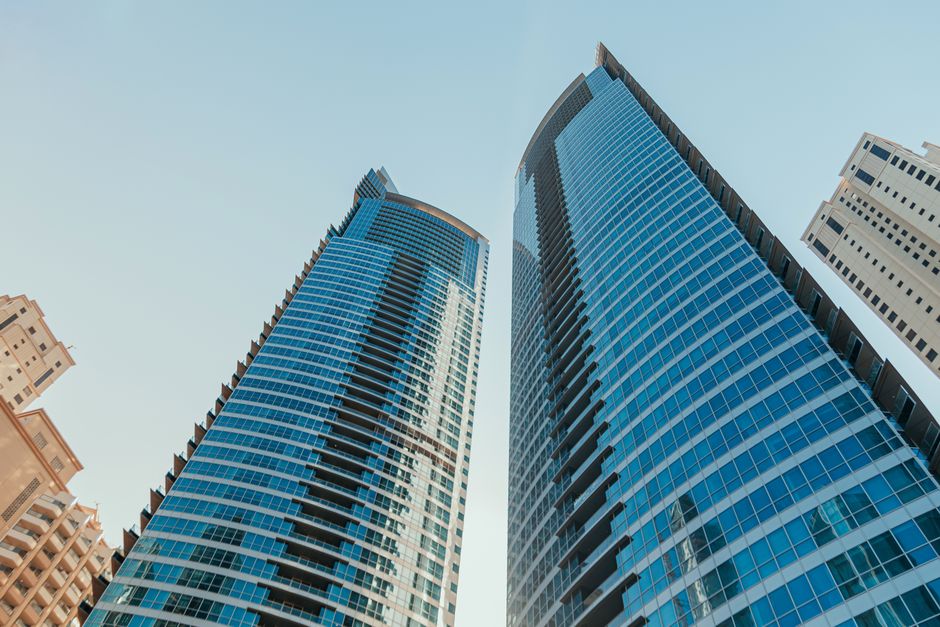
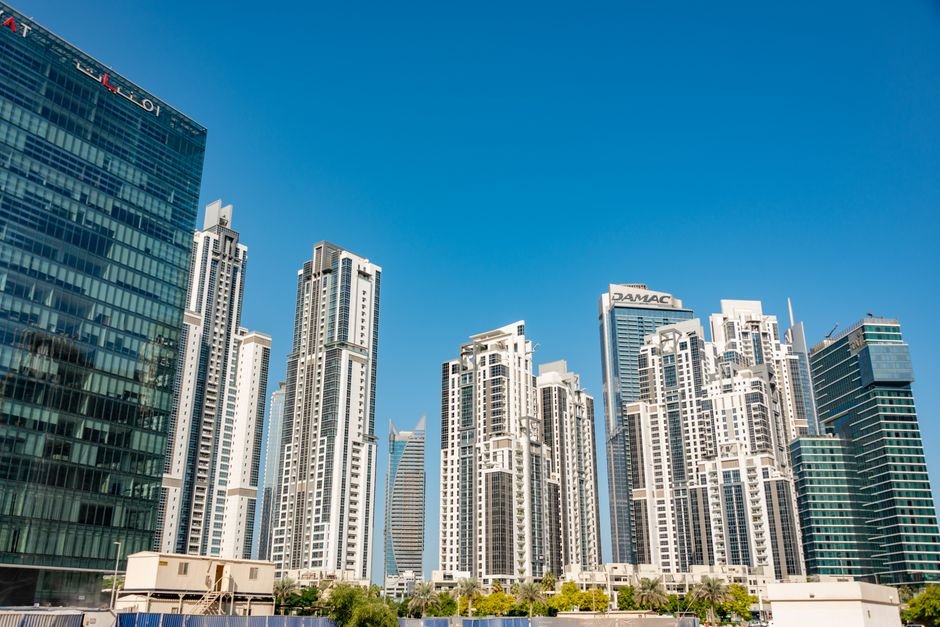
Business Bay has emerged as a major financial hub, offering modern office towers with competitive rental rates compared to Downtown Dubai. The area provides excellent connectivity to major highways and public transportation, making it attractive for both local and international businesses. Dubai Internet City and Dubai Media City continue to be preferred destinations for technology companies, creative agencies, and media organizations, offering specialized infrastructure and networking opportunities.
The Dubai International Financial Centre (DIFC) serves as the premier destination for financial services companies, providing a regulated environment with international standards. Meanwhile, areas like Jumeirah Lake Towers (JLT) and Sheikh Zayed Road offer cost-effective solutions for businesses seeking quality office spaces without the premium pricing of prime locations.
Types of Commercial Properties Available
The Dubai commercial rental market encompasses a comprehensive range of property types designed to meet diverse business requirements. Office spaces vary from small serviced offices perfect for startups to entire floors in prestigious towers suitable for large corporations. Flexible workspace solutions have gained popularity, offering businesses the ability to scale operations quickly without long-term commitments.
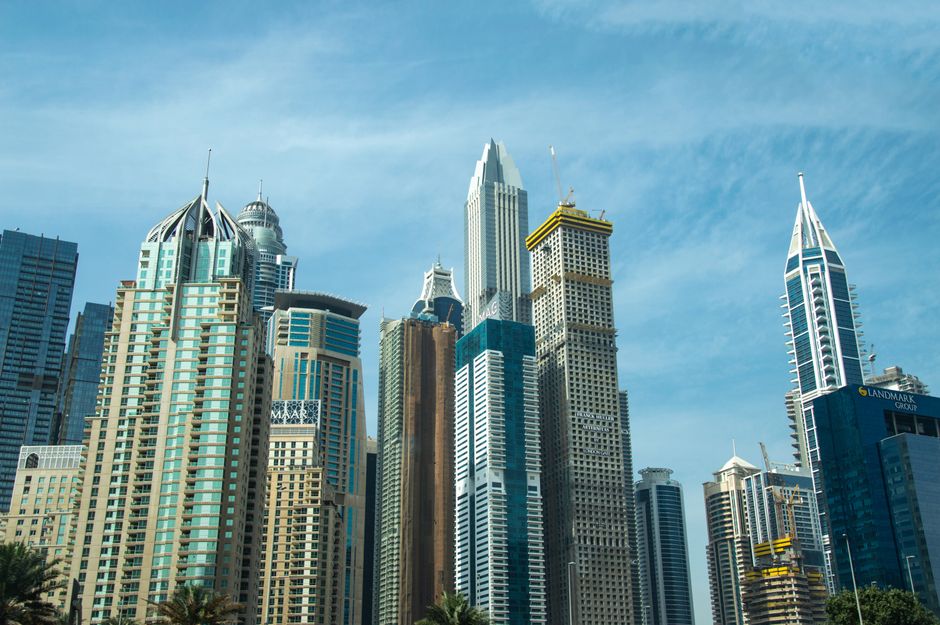
Retail spaces are abundant across Dubai’s numerous shopping centers, street-level locations, and standalone buildings. These properties cater to businesses ranging from boutique stores to large-format retail outlets. The emirate’s thriving tourism industry ensures consistent foot traffic in key retail locations, making them attractive investment opportunities.
Industrial and warehouse facilities are primarily concentrated in areas like Dubai Industrial City, Al Quoz, and Dubai South. These properties serve manufacturing companies, logistics operators, and distribution businesses requiring specialized infrastructure. Many industrial properties come equipped with loading docks, high ceilings, and temperature-controlled environments.
Mixed-use developments have become increasingly popular, combining office, retail, and sometimes residential components in single projects. These properties offer businesses the advantage of integrated environments that can enhance employee satisfaction and customer convenience.
Rental Costs and Market Trends
Commercial property rental rates in Dubai vary significantly based on location, property type, size, and amenities. Prime locations such as Downtown Dubai and DIFC command premium rates, typically ranging from AED 80 to AED 150 per square foot annually for high-quality office spaces. Business Bay and JLT offer more competitive rates, generally falling between AED 45 to AED 85 per square foot.

Emerging business districts and free zones often provide attractive rental packages to attract businesses, with rates starting as low as AED 30 to AED 50 per square foot. These areas frequently offer additional incentives such as fit-out contributions, flexible lease terms, or reduced security deposits.
Market trends indicate a gradual stabilization of rental rates following the economic adjustments of previous years. The Dubai Land Department continues to implement policies that support market transparency and investor confidence, contributing to sustainable growth in the commercial real estate sector.
Businesses should also consider additional costs when budgeting for commercial property rentals, including service charges, utilities, parking fees, and potential fit-out expenses. Many landlords now offer comprehensive packages that include these services, providing better cost predictability for tenants.
Legal Framework and Lease Considerations
Understanding Dubai’s commercial lease regulations is crucial for businesses seeking rental properties. The emirate operates under a well-established legal framework that protects both landlords and tenants while ensuring market stability. Commercial leases typically range from one to five years, with longer terms often securing better rental rates and conditions.
The Dubai Real Estate Regulatory Agency (RERA) oversees commercial property transactions, ensuring compliance with local regulations and providing dispute resolution mechanisms. All commercial lease agreements must be registered with RERA, providing legal protection and transparency for all parties involved.
Security deposits for commercial properties typically range from 5% to 10% of the annual rent, depending on the property type and lease terms. Many landlords require post-dated cheques for the entire lease period, though some now accept quarterly or monthly payment arrangements for qualified tenants.
Businesses should carefully review lease agreements to understand responsibilities for maintenance, utilities, and potential rent increases. Professional legal advice is recommended to ensure full comprehension of contractual obligations and rights.
Documentation Requirements
Commercial property rental applications require comprehensive documentation including valid trade licenses, financial statements, bank letters, and passport copies for company signatories. International companies may need to provide additional documentation such as certificate of incorporation and authorized signatory letters.
Future Outlook and Investment Opportunities
Dubai’s commercial property market outlook remains positive, supported by the emirate’s strategic position as a global business hub and ongoing infrastructure development projects. The successful hosting of Expo 2020 has enhanced Dubai’s international profile, attracting increased foreign investment and business relocations.
Government initiatives such as the Dubai 2040 Urban Master Plan outline ambitious development goals that will create new commercial districts and enhance existing ones. The plan emphasizes sustainability, connectivity, and quality of life improvements that will make Dubai even more attractive for businesses.
The Dubai Chamber of Commerce continues to support business growth through various initiatives and programs, creating a favorable environment for commercial property demand. Emerging sectors such as fintech, renewable energy, and digital economy are driving demand for specialized commercial spaces.
Technological integration in commercial properties is becoming increasingly important, with smart building features, high-speed connectivity, and flexible workspace designs becoming standard expectations. Properties that incorporate these modern amenities are commanding premium rates and experiencing higher occupancy levels.
Working with Professional Real Estate Partners
Navigating Dubai’s commercial property market requires expertise and local knowledge that professional real estate companies provide. Experienced agents understand market dynamics, have access to exclusive listings, and can negotiate favorable terms on behalf of their clients.
Silver Keys Real Estate specializes in commercial property solutions, offering comprehensive services from initial property search to lease completion and ongoing property management. Their expertise in Dubai’s commercial market enables businesses to make informed decisions and secure properties that align with their operational requirements and growth strategies.
Professional real estate partners provide valuable services including market analysis, site inspections, lease negotiation, and documentation assistance. They maintain relationships with major landlords and developers, often gaining access to properties before they reach the general market.
The Real Estate Regulatory Agency ensures all licensed real estate professionals maintain high standards of service and ethical conduct, providing additional security for businesses seeking commercial properties.
Conclusion
Dubai’s commercial property rental market offers exceptional opportunities for businesses seeking strategic locations in one of the world’s most dynamic economic environments. With diverse property types, competitive rental rates, and a supportive regulatory framework, the emirate continues to attract businesses from around the globe.
Success in securing the ideal commercial property depends on understanding market dynamics, working with experienced professionals, and carefully evaluating both current needs and future growth plans. Whether seeking prestigious office space in prime locations or cost-effective industrial facilities, Dubai’s commercial property market provides solutions for every business requirement.
As the market continues to evolve with technological advancement and infrastructure development, businesses that establish their presence in Dubai’s commercial property market position themselves for long-term success in the region’s thriving economy.