
As we enter 2026, Dubai’s property market continues to captivate investors worldwide with its dynamic growth trajectory and promising opportunities. The emirate’s real estate sector has demonstrated remarkable resilience and adaptability, positioning itself as a global investment hub that attracts both individual and institutional investors seeking diversification and strong returns.
The Dubai property market has experienced significant transformation over recent years, with strategic government initiatives, world-class infrastructure development, and innovative regulatory frameworks creating a robust foundation for sustained growth. Understanding the market dynamics, trends, and forecasts for 2026 is crucial for making informed investment decisions in this competitive landscape.
Current Market Performance and Key Indicators
Dubai’s property market has shown exceptional performance throughout 2025, with several key indicators pointing toward continued strength in 2026. Property values have demonstrated steady appreciation across multiple segments, with residential properties experiencing particularly strong demand from both local and international buyers.
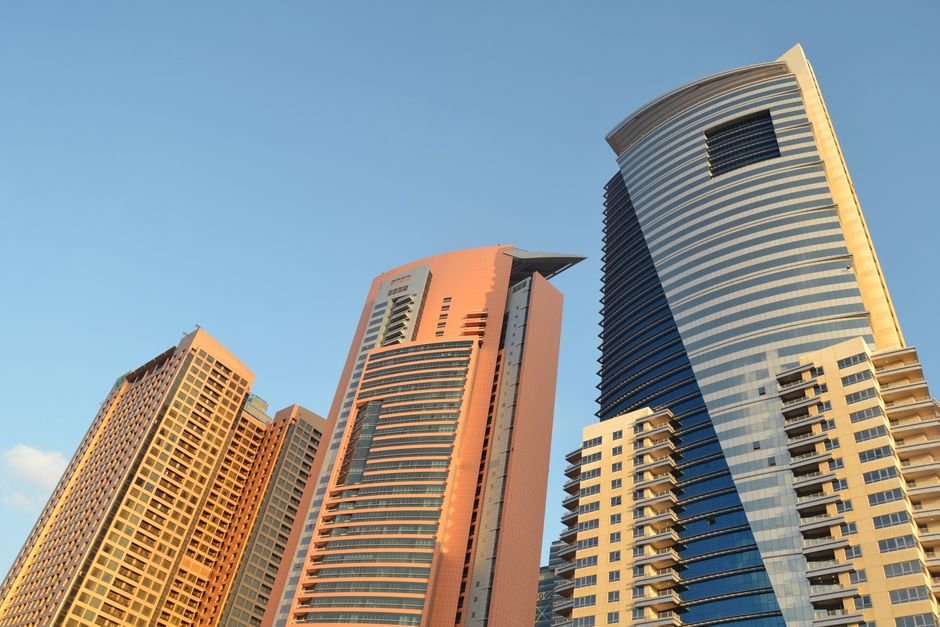
The residential sector has been buoyed by increased population growth, driven by Dubai’s attractive visa policies and business-friendly environment. Off-plan properties have gained significant traction, with developers launching innovative projects that cater to diverse buyer preferences and investment objectives. The commercial real estate sector has also shown resilience, supported by Dubai’s position as a regional business hub and the continued expansion of multinational corporations establishing their regional headquarters in the emirate.
Transaction volumes have remained robust, with the Dubai Land Department reporting consistent activity across all property categories. The market has benefited from enhanced transparency measures and streamlined processes that have increased investor confidence and facilitated smoother transactions for both residential and commercial properties.
Rental yields in Dubai continue to offer attractive returns compared to many global markets, making the emirate particularly appealing for investors seeking regular income streams. Prime locations such as Downtown Dubai, Dubai Marina, and Business Bay have maintained strong rental demand, while emerging areas are showing promising growth potential.
Government Initiatives and Policy Impact
The UAE government’s forward-thinking policies have played a pivotal role in shaping Dubai’s property market outlook for 2026. The introduction of long-term residence visas, including the Golden Visa program, has significantly boosted foreign investment confidence and created sustained demand for high-quality residential properties.
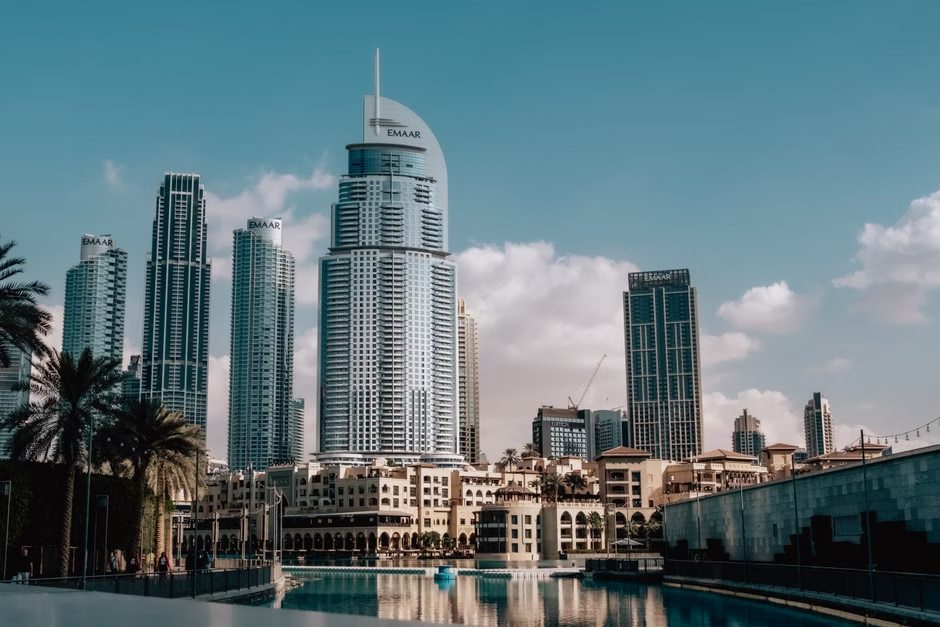
Dubai’s commitment to becoming a global hub for innovation and technology has attracted international businesses and professionals, creating additional demand for both residential and commercial properties. The government’s focus on sustainability and smart city initiatives has also influenced property development standards, with developers increasingly incorporating green building practices and smart home technologies.
Regulatory reforms have enhanced market transparency and investor protection, making Dubai an increasingly attractive destination for institutional investors. The Real Estate Regulatory Agency (RERA) continues to implement measures that protect buyer interests while maintaining market efficiency, according to the Dubai Land Department.
Infrastructure investments, including the expansion of Dubai Metro, improvement of road networks, and development of new business districts, have created additional value propositions for property investors. These initiatives have enhanced connectivity and accessibility, making previously emerging areas more attractive to both residents and businesses.
Residential Property Trends and Forecasts
The residential property segment is expected to maintain its upward trajectory throughout 2026, driven by several key factors. Population growth, estimated to continue at a steady pace, will sustain demand for quality housing options across various price points and locations.
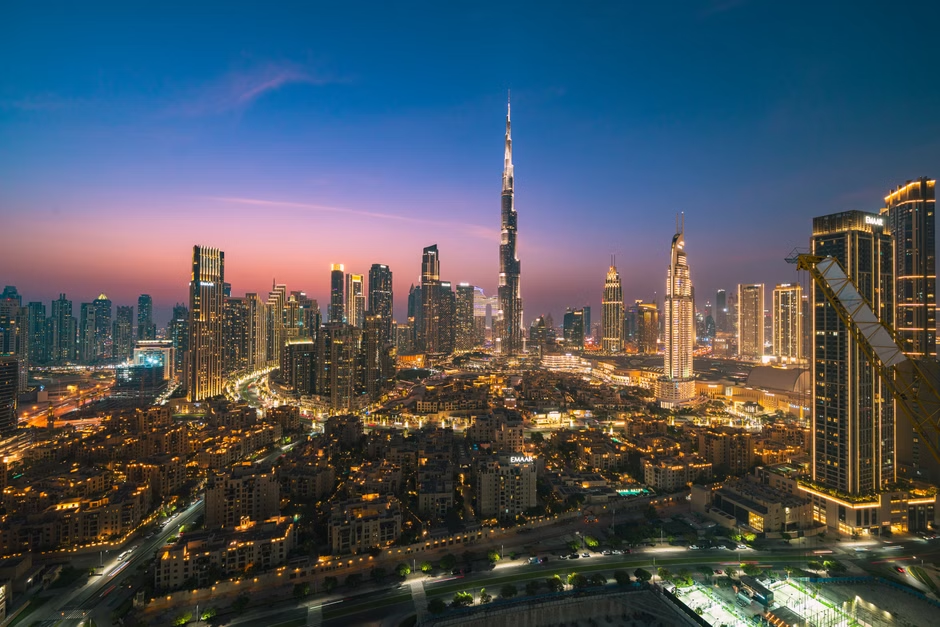
Luxury properties in prime locations are anticipated to see continued appreciation, supported by high-net-worth individuals seeking premium residential options. Areas such as Palm Jumeirah, Emirates Hills, and Dubai Hills Estate are expected to maintain their appeal among affluent buyers seeking exclusive properties with world-class amenities.
The mid-market segment presents significant opportunities, with developments in areas like Dubai South, Dubailand, and Mohammed Bin Rashid City offering attractive value propositions for both end-users and investors. These locations benefit from improved infrastructure, proximity to key business districts, and competitive pricing compared to established premium areas.
Off-plan properties are projected to remain popular among investors, with developers offering flexible payment plans and attractive pre-completion pricing. The success of recent off-plan launches indicates strong market confidence and appetite for new developments that incorporate modern amenities and sustainable design features.
Rental market dynamics are expected to remain favorable, with steady demand from the growing expatriate population and business professionals. Areas with good connectivity to business districts and quality amenities are likely to command premium rental rates and maintain high occupancy levels.
Commercial Real Estate Outlook
Dubai’s commercial real estate sector is positioned for continued growth in 2026, supported by the emirate’s strategic location and business-friendly environment. The office market has shown resilience despite global economic uncertainties, with demand from technology companies, financial services firms, and regional headquarters driving leasing activity.
Grade A office spaces in prime business districts such as Dubai International Financial Centre (DIFC) and Dubai Media City continue to command premium rents and maintain high occupancy rates. The trend toward flexible working arrangements has created opportunities for co-working spaces and serviced offices, particularly in emerging business districts.
Retail real estate is experiencing transformation, with developers and investors focusing on experiential retail concepts that combine shopping, dining, and entertainment. The success of mega-projects like Dubai Mall and Mall of the Emirates has demonstrated the market’s appetite for destination retail developments.
Industrial and logistics properties are benefiting from Dubai’s position as a global trade hub and the growth of e-commerce. Warehouses and distribution centers in strategic locations near ports and airports are experiencing strong demand, driven by the expansion of logistics and supply chain operations.
The hospitality sector, while facing ongoing challenges, shows signs of recovery with the return of international tourism and business travel. Hotel and resort developments in key tourist areas are expected to benefit from Dubai’s continued focus on tourism promotion and infrastructure development.
Investment Opportunities and Market Segments
2026 presents diverse investment opportunities across Dubai’s property market, catering to different risk profiles and investment objectives. Residential properties in emerging areas offer significant appreciation potential, while established locations provide steady rental income and capital preservation.
The affordable housing segment represents an underexplored opportunity, with government initiatives aimed at providing housing solutions for middle-income residents creating new market dynamics. Developers focusing on this segment may benefit from supportive policies and sustained demand.
Commercial investments, particularly in Grade A office buildings and retail properties in prime locations, offer attractive yields and long-term capital appreciation potential. The trend toward mixed-use developments provides opportunities for investors seeking diversified property portfolios within single projects.
According to the International Monetary Fund, the UAE’s economic diversification efforts and strategic positioning continue to support sustainable growth, creating a favorable environment for property investment across multiple sectors.
Luxury properties remain attractive for high-net-worth investors seeking portfolio diversification and lifestyle benefits. The limited supply of ultra-prime properties in exclusive locations supports value retention and potential appreciation over the medium to long term.
Challenges and Risk Factors
While Dubai’s property market outlook for 2026 remains positive, several challenges and risk factors require consideration. Global economic uncertainties, including inflation concerns and potential interest rate fluctuations, could impact investor sentiment and financing costs.
Supply management remains crucial, with developers and regulators working to balance new project launches with market absorption capacity. Oversupply in certain segments could pressure prices and rental rates, making location and project selection increasingly important for investors.
Currency fluctuations, particularly the relationship between the US dollar and other major currencies, could affect international investor participation and overall market dynamics. The UAE dirham’s peg to the US dollar provides some stability, but global currency movements still influence investment flows.
Regulatory changes, while generally positive for market development, require ongoing monitoring as they can impact investment strategies and returns. Investors must stay informed about policy developments and their potential implications for different property segments.
The World Bank emphasizes the importance of economic diversification and sustainable growth policies in maintaining long-term real estate market stability, factors that Dubai continues to address through strategic planning and implementation.
Conclusion
Dubai’s property market forecast for 2026 reveals a landscape rich with opportunities for discerning investors and property seekers. The combination of strong fundamentals, supportive government policies, and strategic infrastructure development creates a compelling investment environment across residential and commercial segments.
Success in Dubai’s property market requires thorough market knowledge, strategic planning, and professional guidance from experienced real estate partners. Silver Keys Real Estate stands ready to assist individual and corporate property seekers navigate this dynamic market, whether seeking residential properties, commercial investments, off-plan opportunities, or comprehensive property management solutions.
The emirate’s continued evolution as a global business and lifestyle destination, supported by progressive policies and world-class infrastructure, positions Dubai’s property market for sustained growth and attractive returns in 2026 and beyond. Investors who approach the market with proper due diligence and professional guidance are well-positioned to capitalize on the opportunities that lie ahead.