
Moving to Dubai for the first time can be both exciting and overwhelming, especially when it comes to finding the perfect apartment to rent. As one of the world’s most dynamic cities, Dubai offers an incredible variety of residential options, from luxury high-rises in Downtown to family-friendly communities in the suburbs. Understanding the rental market, legal requirements, and practical considerations will help ensure your first apartment hunting experience in the emirate is successful and stress-free.
Understanding Dubai’s Rental Market and Popular Areas
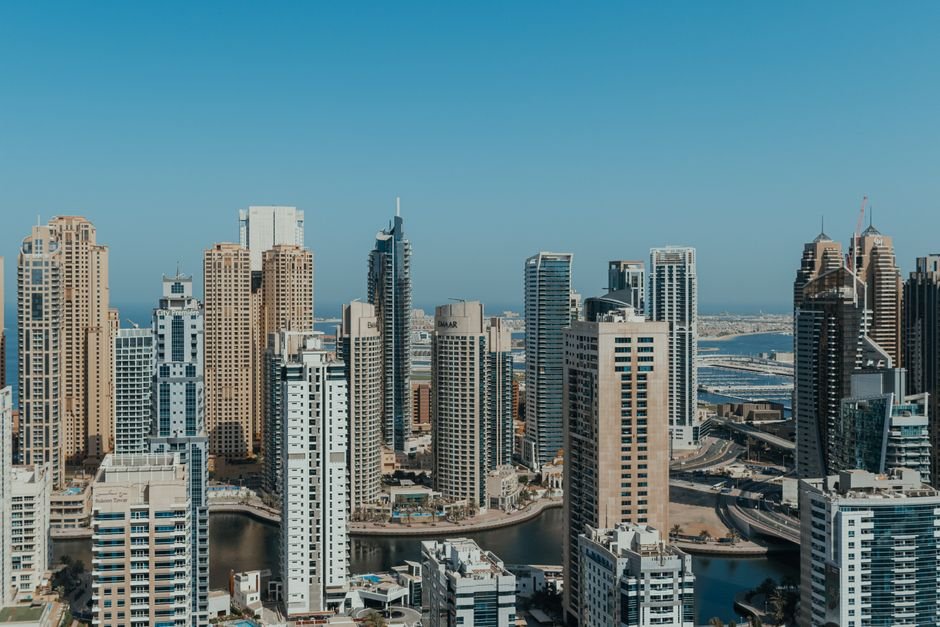
Dubai’s rental market is diverse and segmented across numerous neighborhoods, each offering unique lifestyles and amenities. The city’s rental landscape ranges from ultra-modern apartments in iconic developments to more affordable options in emerging communities.
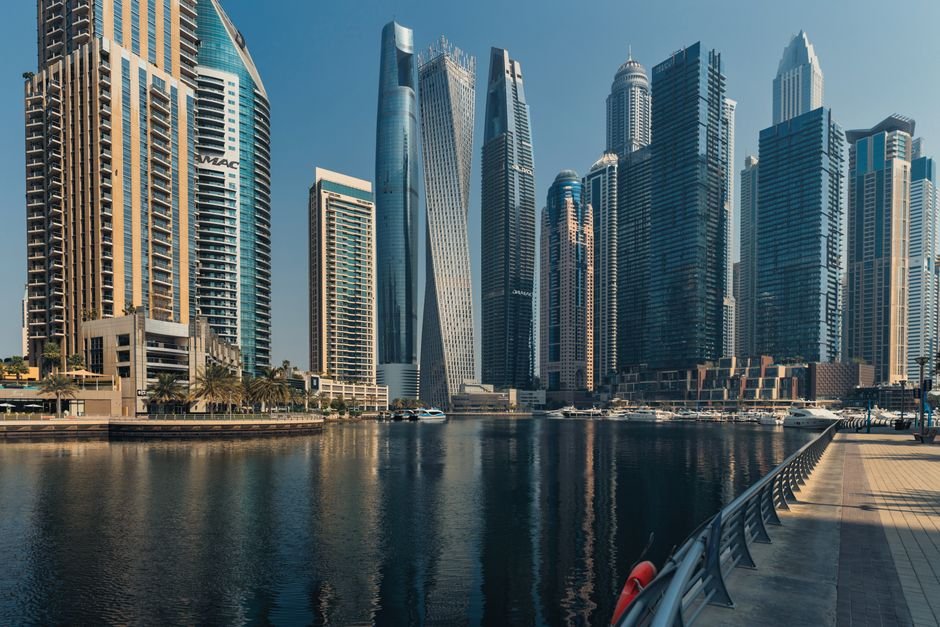
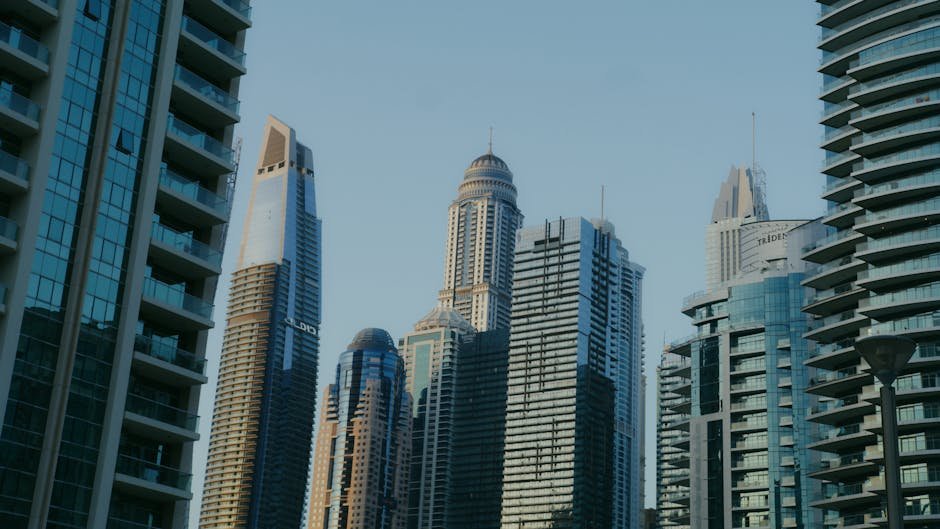
Prime locations like Downtown Dubai, Dubai Marina, and Jumeirah Beach Residence (JBR) command premium rents but offer unparalleled access to entertainment, dining, and business districts. These areas are perfect for young professionals and expatriates who prioritize convenience and luxury amenities.
For families seeking more space and community-oriented living, areas like Arabian Ranches, Dubai Sports City, and Jumeirah Village Circle provide excellent value with larger apartments, parks, and family-friendly facilities at more moderate rental rates.
Budget-conscious renters often explore neighborhoods such as International City, Discovery Gardens, or Al Nahda, where studios and one-bedroom apartments offer affordability without sacrificing basic amenities. These areas typically provide good connectivity to major business districts through Dubai’s efficient public transportation system.
The rental market operates on an annual lease basis, with most landlords requiring payment in one to four cheques throughout the year. Understanding market rates is crucial, as prices can vary significantly based on location, building quality, amenities, and current market conditions.
Legal Requirements and Documentation Process
Renting an apartment in Dubai involves specific legal requirements that first-time renters must understand to avoid complications. The Dubai Land Department oversees all rental transactions and has established clear guidelines to protect both tenants and landlords.
Essential documentation includes a valid UAE residence visa, Emirates ID, passport copies, salary certificate from your employer, and bank statements covering the last three to six months. Some landlords may also request a no-objection certificate from your employer, particularly for certain visa categories.
The rental process typically follows these steps:
- Property viewing and selection
- Negotiation of rental terms and payment schedule
- Security deposit payment (usually 5-10% of annual rent)
- Ejari registration with Dubai Land Department
- DEWA (Dubai Electricity and Water Authority) connection
- Internet and cable service setup
The Ejari system is a mandatory electronic registration that legitimizes your tenancy contract. This registration protects your rights as a tenant and is required for various services, including opening bank accounts, enrolling children in schools, and obtaining certain government services. The registration fee is typically shared between landlord and tenant, though this should be clarified during negotiations.
Understanding your rights under UAE tenancy law is crucial. The Dubai Land Department provides comprehensive information about tenant rights, including rent increase limitations, maintenance responsibilities, and dispute resolution procedures.
Security Deposits and Payment Structures
Security deposits in Dubai typically range from 5% to 10% of the annual rental amount, depending on the property type and landlord preferences. This deposit is refundable upon lease termination, provided the property is returned in good condition, minus any documented damages or outstanding utility bills.
Rental payments are usually structured in one to four post-dated cheques, with many landlords preferring fewer cheques but offering slight discounts for single annual payments. Negotiating payment terms is often possible, particularly in a tenant-favorable market.
Budgeting and Hidden Costs to Consider
Creating a comprehensive budget for your Dubai apartment rental extends far beyond the monthly rent. First-time renters often underestimate additional costs that can significantly impact their housing budget.
Primary costs include:
- Annual rent (paid in 1-4 instalments)
- Security deposit (5-10% of annual rent)
- Real estate agent commission (typically 2-5% of annual rent)
- Ejari registration fees
- DEWA connection and deposits
- Internet and cable installation
Monthly recurring expenses encompass utilities, which can vary dramatically based on apartment size, building efficiency, and personal usage patterns. DEWA bills during summer months can be substantial due to air conditioning usage, often ranging from AED 200-800 monthly for typical apartments.
Building maintenance fees, known as service charges, are sometimes included in rent but may be charged separately. These fees cover common area maintenance, security services, pool and gym access, and building management services.
Internet and cable services typically cost AED 300-500 monthly for comprehensive packages, while parking fees in prime locations can add AED 1,000-3,000 annually to your housing costs.
Moving and setup costs include furniture (if renting unfurnished), kitchen appliances, moving services, and initial household supplies. Many expatriates opt for furnished apartments initially to minimize upfront costs, though this typically commands a 20-30% premium over unfurnished options.
Working with Real Estate Agents and Property Management
Navigating Dubai’s rental market is significantly easier with professional assistance from licensed real estate agents. Reputable companies like Silver Keys Real Estate provide comprehensive services for first-time renters, including property searches, documentation assistance, and ongoing tenant support.
Licensed agents offer valuable market insights, helping you understand fair rental rates, negotiate favorable terms, and identify properties that match your specific requirements and budget. They also handle complex paperwork, ensuring all legal requirements are properly fulfilled.
When selecting a real estate agent, consider:
- Valid RERA (Real Estate Regulatory Agency) licensing
- Market reputation and client testimonials
- Specialization in your target areas or property types
- Transparency in fee structures and services
- Availability for ongoing support throughout your tenancy
Professional property management companies often provide additional services beyond initial rental placement, including maintenance coordination, lease renewals, and dispute resolution. These services can be particularly valuable for expatriates unfamiliar with local procedures and regulations.
The Real Estate Regulatory Agency maintains databases of licensed agents and provides resources for understanding your rights and responsibilities as a tenant in Dubai.
Essential Tips for Apartment Viewing and Selection
Successful apartment hunting in Dubai requires systematic approach and attention to detail. The city’s rapid development means building quality and amenities can vary significantly, even within the same neighborhood.
During property viewings, evaluate:
- Natural light and ventilation quality
- Air conditioning efficiency and age
- Water pressure and hot water availability
- Mobile phone signal strength
- Noise levels from surrounding areas
- Building maintenance standards
- Parking availability and accessibility
- Proximity to public transportation
Infrastructure considerations are crucial in Dubai’s climate. Ensure air conditioning systems are well-maintained, as replacement or major repairs can be costly and time-consuming. Check for any signs of water damage or poor insulation, which could lead to higher utility costs.
Building amenities such as swimming pools, gymnasiums, and concierge services add value but may come with additional service charges. Evaluate whether these amenities align with your lifestyle and justify any additional costs.
Transportation access significantly impacts daily life quality. Properties near Dubai Metro stations, major bus routes, or taxi-friendly locations offer greater convenience and can reduce transportation costs.
Always inspect apartments during different times of day if possible, as noise levels, parking availability, and overall atmosphere can vary significantly between morning, afternoon, and evening hours.
Setting Up Utilities and Essential Services
Establishing essential services for your new Dubai apartment requires coordination with multiple providers and understanding of local procedures. Proper planning ensures smooth transition into your new home without extended service interruptions.
DEWA (Dubai Electricity and Water Authority) connection is your first priority, as it provides electricity, water, and in some areas, cooling services. Connection requires your tenancy contract, Emirates ID, passport copy, and security deposit. The process typically takes 1-2 business days for existing connections or longer for new installations.
Internet and cable services are provided by multiple operators including Etisalat and du. Compare packages carefully, as services, speeds, and pricing vary significantly. Many buildings have exclusive provider agreements, limiting your options but often providing competitive rates.
Gas connections for cooking are handled separately from DEWA in most areas. Emirates Gas provides cylinder delivery services, while some newer developments feature centralized gas systems included in building management fees.
The Dubai Electricity and Water Authority website provides comprehensive information about connection procedures, tariff structures, and online account management options.
Conclusion
Renting your first apartment in Dubai can be a rewarding experience when approached with proper preparation and professional guidance. Understanding the local market, legal requirements, and hidden costs helps ensure you make informed decisions that align with your budget and lifestyle preferences.
Working with experienced real estate professionals like Silver Keys Real Estate can streamline the process significantly, providing market expertise, documentation assistance, and ongoing support throughout your tenancy. Their comprehensive knowledge of Dubai’s rental landscape helps first-time renters navigate complexities while securing properties that offer the best value for their investment.
Remember that Dubai’s rental market is dynamic and competitive. Starting your search early, maintaining flexibility in your requirements, and working with trusted professionals will help you secure the ideal apartment for your new life in this remarkable city.
Take time to thoroughly understand your lease terms, establish all essential services promptly, and maintain good relationships with your landlord and building management. These steps will contribute to a positive rental experience and smooth transition into Dubai’s vibrant expatriate community.